Ben’s List 59
Social tokens, namecore & DeFI’s dynamic risk management, for the win 😉

Also see more startups coverage: /startups/
Web3
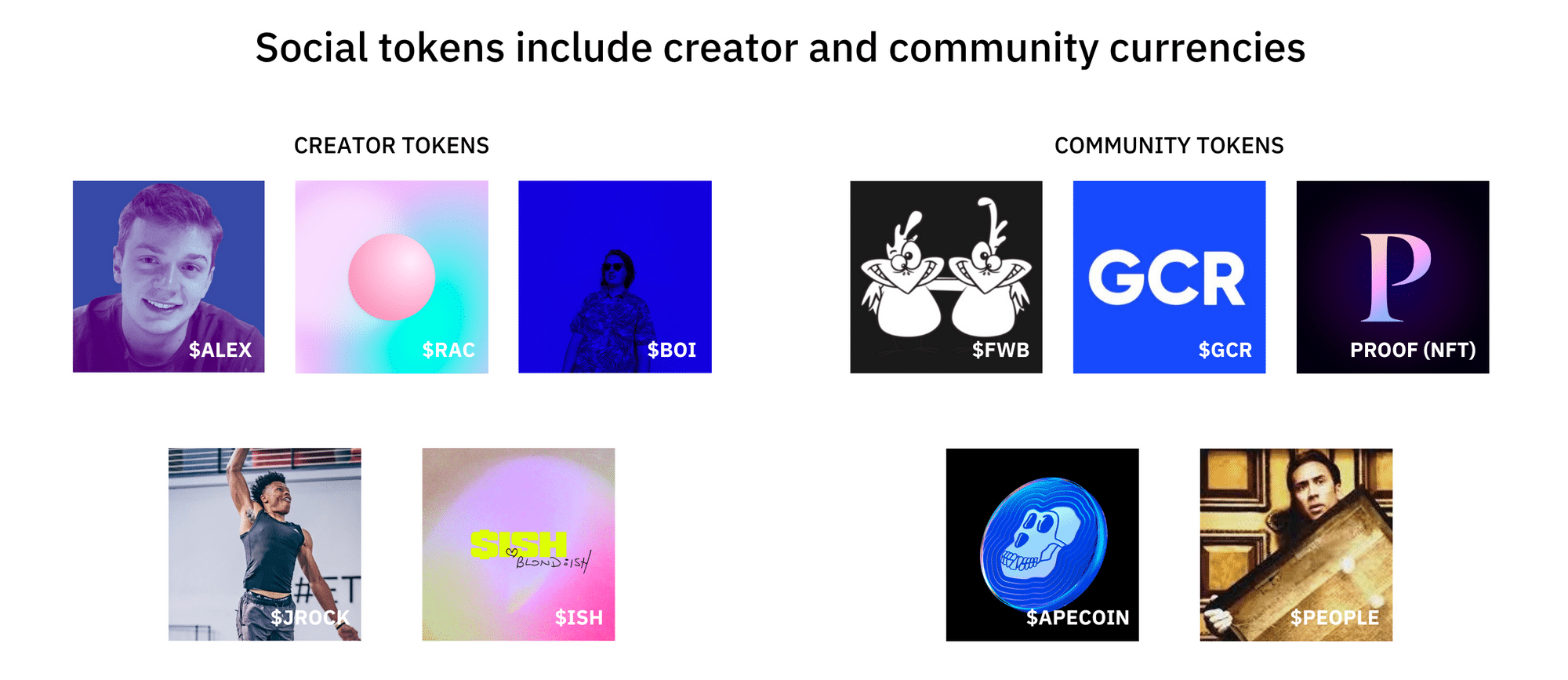
Social Tokens: The Economy of You
“The world of social tokens is not only analogous to social media; it is an evolution. Though we may not have initially conceived of it this way, platforms like Instagram and Twitter implicitly codified a new kind of capital: status.”
Internet
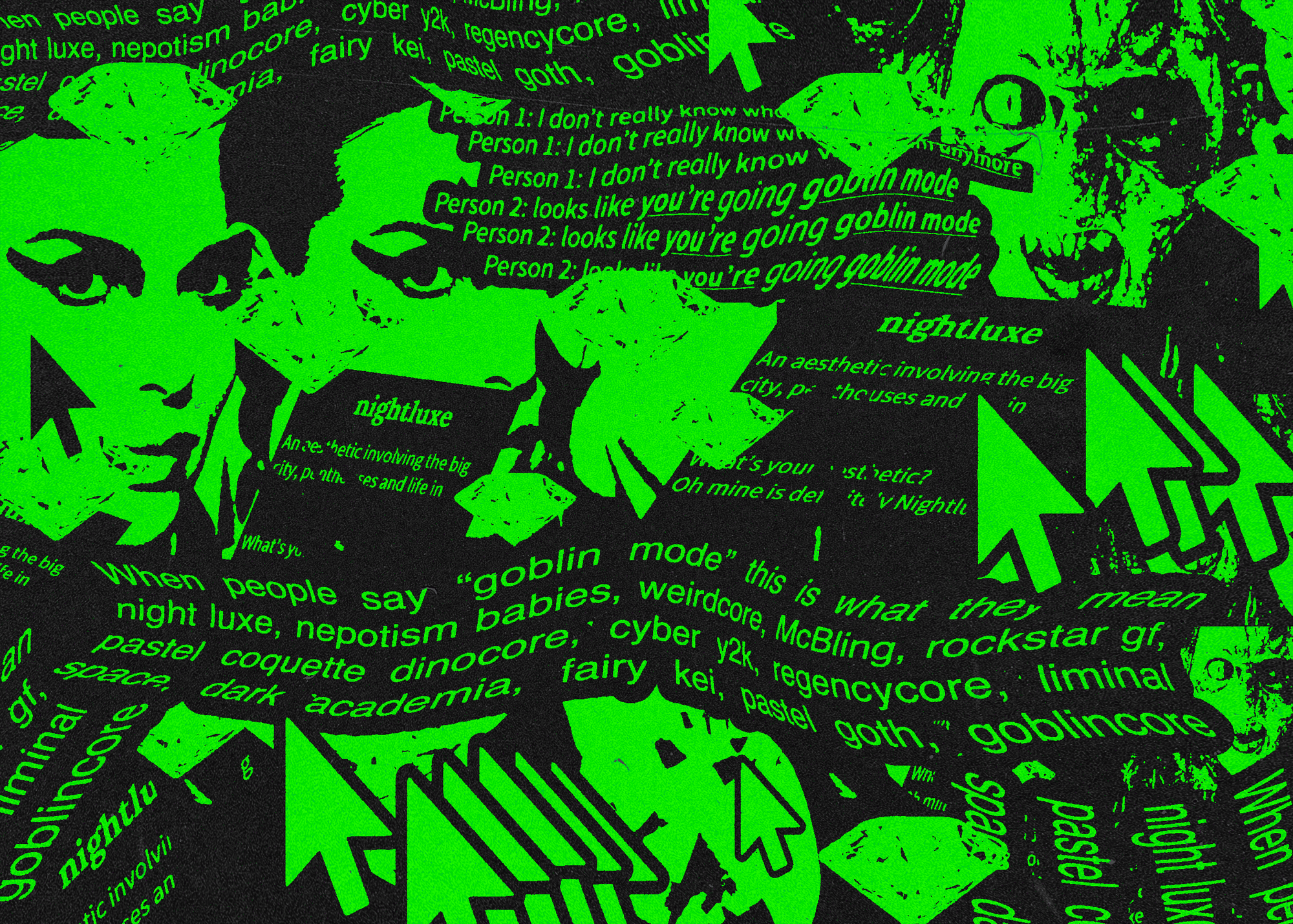
Namecore is the trend that unifies all trends
“It’s one thing to embrace a new trend; it’s quite another to give it a name. A name gives a trend gravitas, a social identity and, if you’re lucky, virality… If namecore labels are partly born out of our desire to self-identify, we must also give a shout-out to identity’s big sis: community.”
- theface.com/culture/namecore-goblin-mode-night-luxe-twee-feral-girl-internet-trends-subcultures-slang-language-coining-names :: Olive Pometsey
DeFi
Forged in the Fire: The Emergence of Dynamic Risk Management as a Key Advantage for DeFi
“Setting appropriate collateral requirements is a critical element of ensuring protocol solvency. Assets with deeper liquidity and less volatility tend to have higher collateral factors. Conversely, more volatile assets with less liquidity generally have lower collateral factors. However, too low collateral factors can inhibit existing borrowers and deter new ones, reducing borrowing power for users but helping ensure solvency in times of high volatility. At the same time, higher collateral factors can unlock borrowing power for existing and new users.”